

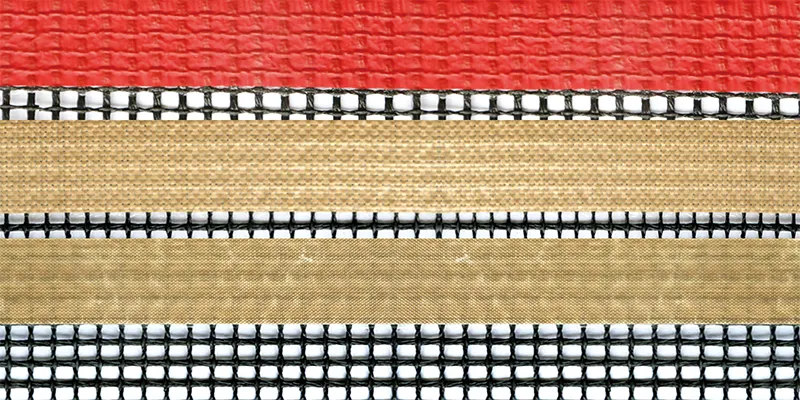
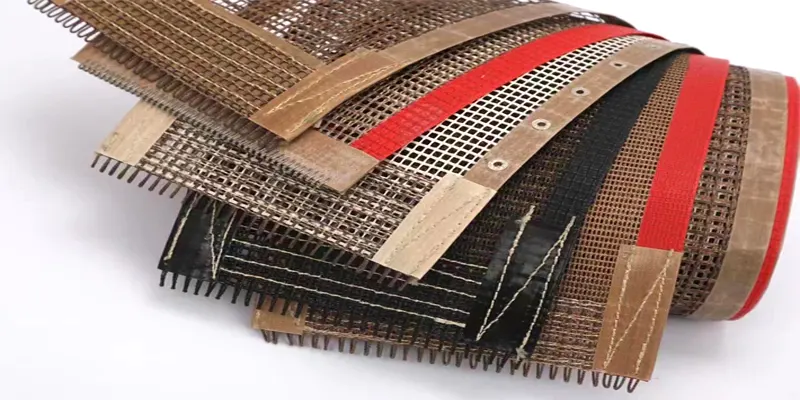
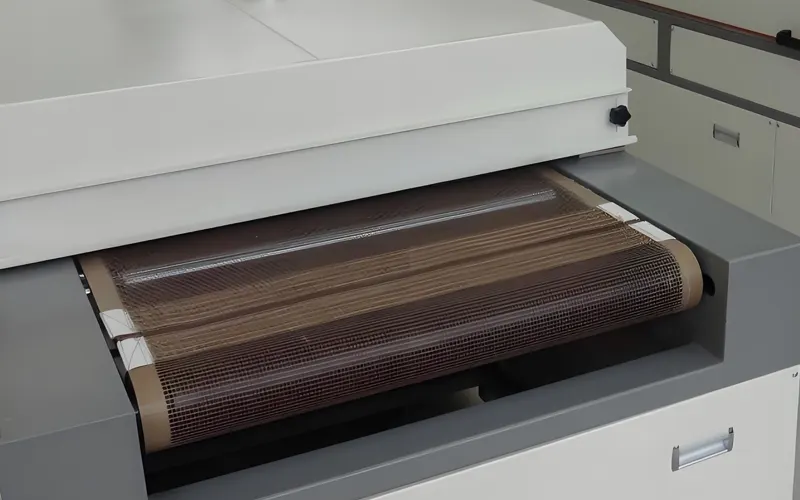
PTFE (polytetrafluoroethylene) conveyor belts—especially those with open-mesh construction—have become the industry standard for efficient, reliable drying and curing in modern screen-printing operations. Renowned for their exceptional heat resistance, non-stick surface, and outstanding airflow characteristics, PTFE belts ensure consistent, high-quality results whether you’re using traditional thermal ovens or advanced UV-curing tunnels.
1. Open-Mesh Belts: Maximum Heat Transfer & Rapid Drying
- Superior Airflow: The engineered mesh pattern allows heated air or infrared radiation to pass freely through the belt, dramatically improving drying speed and uniformity.
- High Thermal Efficiency: Ideal for wash-down or color-dye processes that require fast moisture removal, these belts excel in gas- or oil-fired tunnel ovens.
- Reduced Cycle Times: By maximizing heat penetration from below, open-mesh belts can shorten dwell times by up to 30%, boosting overall throughput.
2. Solid vs. Mesh Belts: Versatility for Every Print Line
- Solid PTFE Belts: Provide a smooth, continuous surface that’s perfect for delicate substrates or when back-lit inspection is required. They eliminate the risk of mesh marking on lighter fabrics.
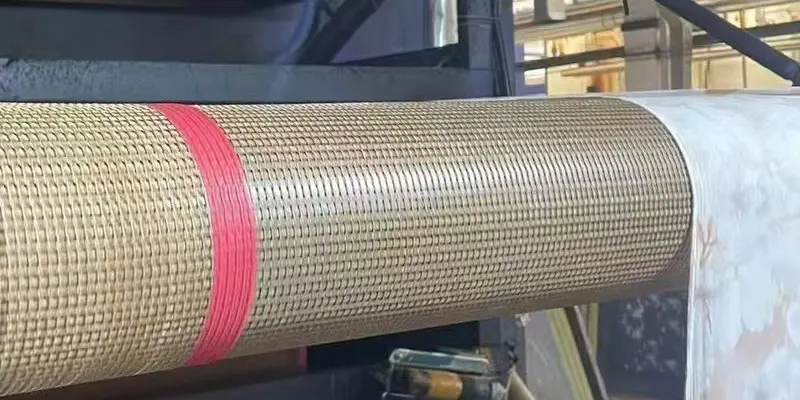
- Mesh PTFE Belts: Offer the best combination of airflow and strength. Mesh belts are especially suited for heavy or wide-format rolls, ensuring even support and minimal distortion.
- Seamless Integration: Both belt types deliver precise tracking, wear-resistant performance, and simple installation with a variety of splice options.
3. UV-Curing Compatibility
- UV-Stable PTFE Surface: UV-resistant additives in the PTFE matrix prevent premature degradation and extend belt life under intense ultraviolet lamps.
- Optimized Ink Curing: Black or dark-hued fabrics are commonly used in UV tunnels because they reflect UV energy more effectively, improving ink performance and reducing “hot spots.”
- Environmentally Friendly: UV curing emits virtually no volatile organic compounds (VOCs), making it an eco-conscious alternative for inks and coatings.
4. Typical Applications
- Garment Printing: T-shirts, jerseys, and fashion apparel requiring rapid heat-set or UV-cure processes.
- Home Textiles: Curtains, upholstery fabrics, and bed linens that demand consistent color fixation.
- Technical Textiles: Industrial filters, automotive interiors, and medical fabrics where precise surface finish is critical.
- Wide-Format Rolls: Large banners, flags, and soft signage materials needing uniform drying across substantial widths.
- Non-Woven Materials: Disposable hygiene products, geotextiles, and packaging laminates.
5. Feature Benefit
- High Temperature Tolerance Operates continuously up to 260 °C (500 °F) without degradation.
- Non-Stick Surface Prevents ink build-up and reduces cleaning downtime.
- Chemical Inertness Resistant to most solvents, acids, and alkalis used in printing.
- Extended Service Life Up to 5× longer lifespan than silicone or PTFE-coated fabrics.
- Low Maintenance Simple belt tracking and no lubrication required.
Whether you’re upgrading an existing screen-printing line or designing a new thermal or UV-curing system, PTFE open-mesh and solid belts deliver the performance, longevity, and process control that today’s high-speed textile printers demand. Contact us for customized belt dimensions, mesh sizes, splice styles, or to discuss a turnkey drying solution tailored to your exact requirements.