

Overview
In modern heat shrink film packaging systems—particularly those used in high-speed, automated environments—PTFE (Polytetrafluoroethylene) coated fabrics and belts serve a critical role. They are primarily used as guide belts, slip liners, or interface protection materials in horizontal pillow-type shrink packaging machines, which are prevalent across FMCG, food & beverage, and consumer goods manufacturing lines.
Industry Pain Points
Packaging machinery engineers and plant operators often face persistent technical challenges when operating under thermal stress and high-cycle speeds:
- Film Adhesion to Heated Surfaces Causes production delays, burnt residue, film tearing.
- Belt Deviation (Run-off) Leads to film misalignment, product jams, and waste.
- Weak Belt Joints / Interface Failure Premature belt breakage and frequent changeovers.
- Inconsistent Belt Tracking Reduces packaging precision, especially on narrow belts.
- Non-standard Size Requirements Hard to procure belts for custom machinery dimensions.
These issues are exacerbated when packaging irregular shapes, varying product weights, or when film types differ in shrink temperature, elasticity, or thickness.
Technical Requirements for PTFE Belting in Shrink Film Packaging Machines.
To overcome the above pain points, PTFE belts and fabrics used in these machines must meet several critical technical specifications:
Working Temperature: 120°C – 250°C
- Must perform continuously under thermal cycling
- No deformation or adhesive degradation over time
Dimensional Customizability
- Width and length vary based on machine type (often narrow and long for pillow-pack machines)
- Some OEMs require edge guide strips (tracking lines) to maintain linear motion during operation
- High Tensile Strength and Seam Integrity
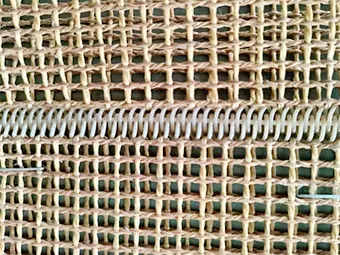
- Belt joints must be reinforced (e.g., Kevlar stitching or heat-sealed overlap)
- Resistance to tension-induced elongation or breakage
Anti-Stick Surface
- PTFE coating ensures film does not adhere to the contact surface
- Reduces downtime caused by film sticking, melting, or tearing
Anti-Run-off / Edge Tracking Stability
- Optional guide strips, PTFE or silicone edge reinforcements, or mechanical edge guides
- Maintains accurate alignment, even on long-run, narrow-width belts
Application Areas
PTFE belts and fabrics are widely used across diverse shrink packaging machine installations, particularly where no bottom tray is used or where product shape and size vary significantly.
Shrink Film Packaging Without Trays (Full Enclosure):
- Bottled Goods: Canned drinks, glass bottles, mineral water, beer, and soft drinks
- Multipacks: Grouped daily-use products (e.g. cosmetics, cleaning supplies)
Encapsulation of Food, Hardware & Household Goods:
- Food Packs: Instant noodles, bread, cookies, or snack bags
- Daily Necessities: Soap bars, tissue boxes, hygiene products
- Hardware Items: Electrical switches, small tools, bulk parts
These machines often use PE (polyethylene), PVC, or polyolefin films, all of which require careful thermal control and non-stick transport surfaces—making PTFE essential.
Recommended PTFE Materials and Variants
Material Type Use Case Notes
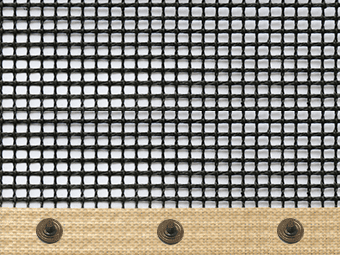
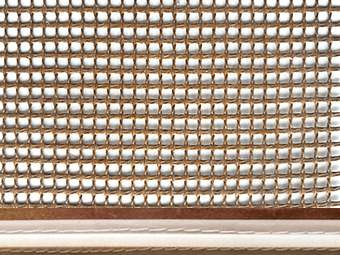
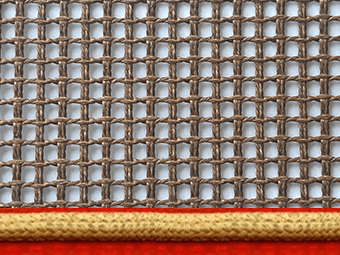
PTFE Coated Fabric Belt (Open Mesh or Solid) Conveyor surface or guide belt High airflow, heat-resistant, customizable in thickness and width.
PTFE Guide Belt with Edge Strip Pillow-pack machine Narrow and long; optional silicone or Kevlar tracking strip.
PTFE Adhesive Tape (Zone or Full) L-bar sealers or edge heaters Prevents film sticking to sealing wires.
PTFE Laminated Film for Interface Insulation Hot bar contact layer Ultra-thin and non-stick, reusable.
Conclusion
Heat shrink packaging lines demand high performance from every mechanical element—especially under heat and speed. PTFE materials solve key bottlenecks in these systems by offering unmatched thermal stability, film release performance, and mechanical strength.
By customizing PTFE belts for your specific machine design, line speed, and film type, you can dramatically reduce machine downtime, increase throughput, and enhance packaging consistency.
For belt configuration advice, custom dimensions, or long-life joint reinforcement options, contact our engineering team(info@anligu.net).