

Application Background
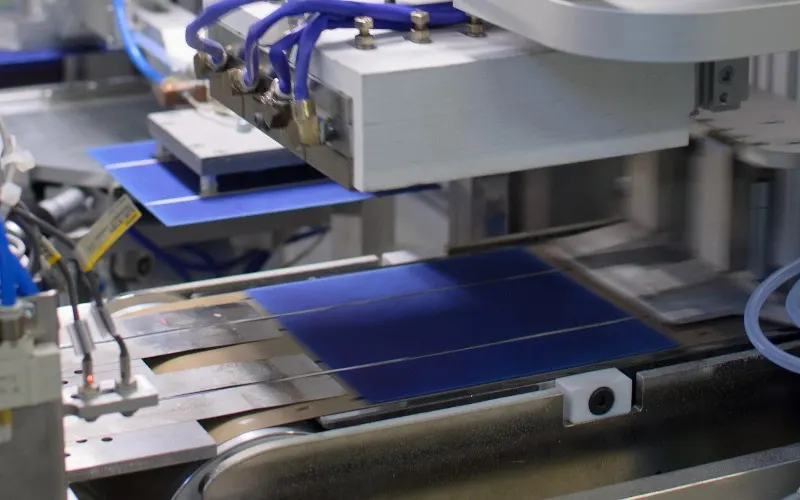
Photovoltaic cell stringing machines are essential in solar panel production. Their primary function is to connect solar cells into strings by soldering tinned copper ribbons (busbars) to the front and rear sides of the cells. This process requires:
•High temperature heating (typically 200–250°C)
•Accurate alignment and transport of fragile solar cells
•Clean, non-stick surfaces to avoid contamination
•Continuous, stable conveyance of components
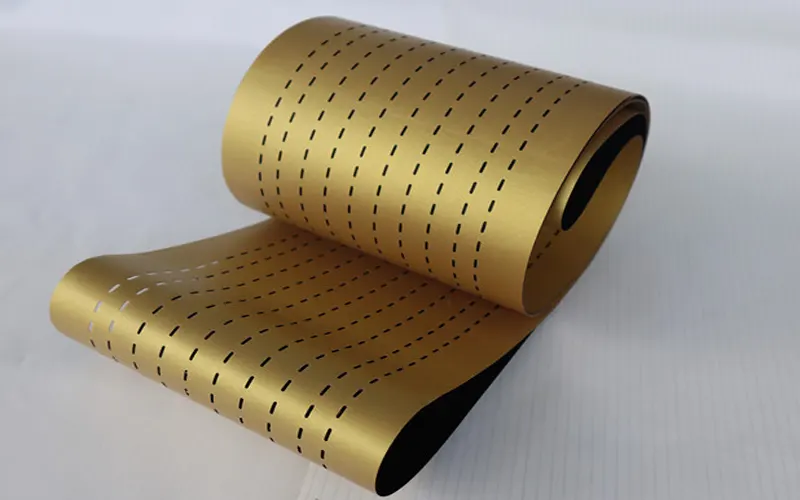
To meet these challenges, PTFE-coated conveyor belts are widely used as the transport medium within the stringing machines.
Technical Features of PTFE Belts in Stringing Equipment
High Temperature Resistance
PTFE belts can operate continuously at temperatures up to 260°C, making them ideal for the pre-heating and soldering zones in tabbing machines.
Non-Stick Surface
The PTFE-coated surface is resistant to sticking of:
•Molten solder
•Flux residues
•Silicon dust or EVA particles
This keeps the belt surface clean and extends its working life.
Excellent Durability & Dimensional Stability
PTFE belts reinforced with glass fiber or Kevlar fabric maintain shape, tension, and tracking even under continuous use and heat cycling.
Low Friction & Smooth Transport
Provides stable, uniform cell conveyance without vibration, scratching, or misalignment—critical for fragile solar wafers.
Product Variants Available:
Belt Type,Features,Application
Seamless PTFE Belt,No joint lines, uniform thickness High-speed stringing lines, precision zones.
Laminated Composite Belt,Multi-layer PTFE backing Higher strength, longer lifetime.
Antistatic PTFE Belt,Prevents static buildup,For dry or dust-prone environments.
Usage Recommendations
•Correct Tensioning: Avoid over-tightening to extend service life.
•Regular Surface Cleaning: Use non-abrasive cloths to maintain anti-stick performance.
•Belt Tracking Alignment: Ensure proper roller calibration to prevent edge wear.
•Choose Seamless When Needed: For critical precision zones or high-speed lines, seamless belts ensure consistent thickness and tension.
Pain Points in the Stringing Process
1.Residue Buildup from Flux or Solder
Without proper anti-adhesive properties, residues from flux or molten solder may accumulate on belts or hot bar surfaces.
2.Cell Misalignment or Slippage
Uneven belt surfaces or inconsistent friction may cause solar cells to shift, leading to welding defects.
3.Belt Stretching or Tearing
Traditional belts may not withstand constant tension, temperature, and repeated thermal cycles.
4.Downtime Due to Belt Replacement
Frequent belt failure can lead to machine stoppages, reducing line throughput.
Typical Use in Tabbing/Stringing Machines
•Cell Conveyor Zone: PTFE belts carry solar cells through alignment, preheating, and tabbing stations.
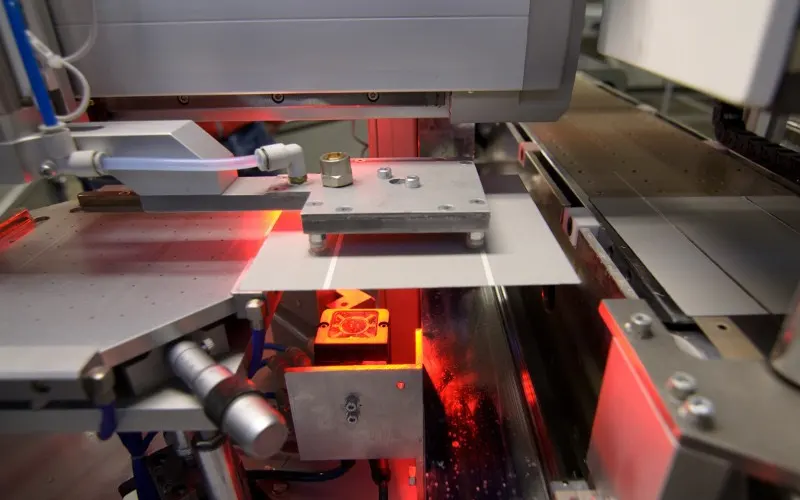
•Heating Zone Surface Layer: Acts as a barrier between hot bars and cells.
•Protective Film Layer: Non-stick shield to prevent contamination from molten solder.
Conclusion
PTFE conveyor belts are a critical component in modern photovoltaic cell stringing machines, offering:
•Stable high-temperature performance
•Anti-stick surface properties
•Smooth, reliable transport of fragile cells
•Long service life with reduced maintenance
Whether used as seamless belts for precision or as composite structures for durability, PTFE belts are indispensable for ensuring efficient, clean, and defect-free solar module assembly.