

Working Principle of the Laminator
Battery component laminators are critical machines used in the production of lithium-ion battery cells and modules. Their primary function is to apply heat and pressure to laminate multiple layers of material—such as separator films, electrodes, and insulation sheets—into a compact, uniform component.
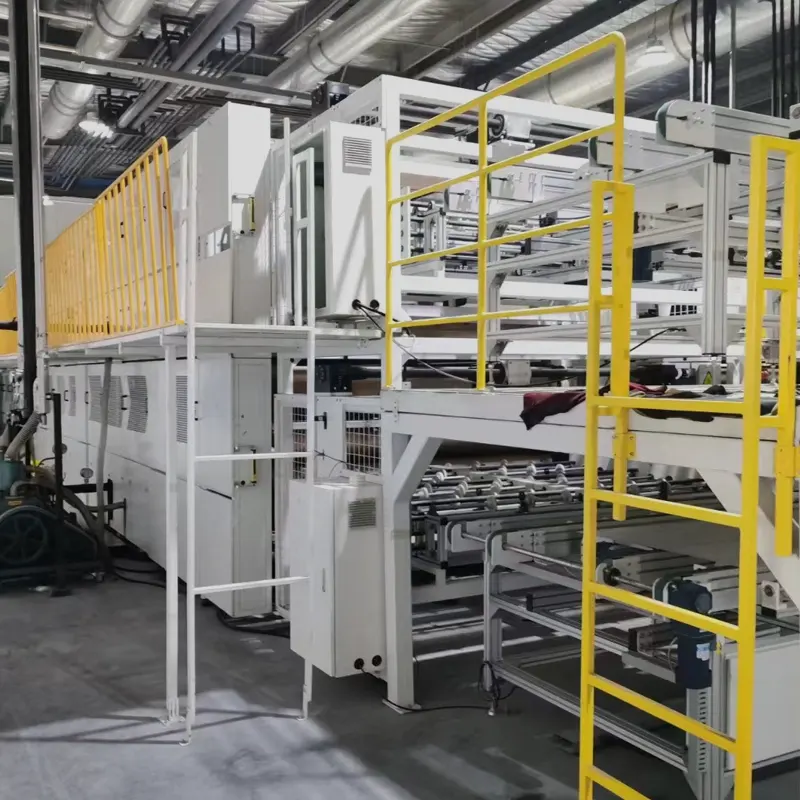
The lamination process typically involves:
•Pre-heating the component layers to ~200°C
•Applying uniform pressure through hot plates or rollers
•Holding the pressure and temperature for a set time to achieve bonding
•Cooling and releasing the laminate for further processing
To ensure consistent lamination quality, thermal stability, pressure uniformity, and surface cleanliness are essential.
Why Use PTFE in Battery Laminators
PTFE (Polytetrafluoroethylene) is a preferred material for laminator cover cloths and gaskets due to its unique thermal and surface properties:
High Temperature Resistance
PTFE maintains structural integrity at temperatures up to 260°C, comfortably handling the ~200°C conditions typical in battery lamination.
Excellent Anti-Adhesion
Its ultra-low surface energy ensures non-stick performance, preventing material build-up on heating plates or component surfaces.
Extended Service Life
PTFE cloths and gaskets provide long-term durability under thermal and mechanical stress:
PTFE Grade Typical Lamination Cycles
9025AK 2500–3000 cycles
9030AJ 3000–3500 cycles
9035AK 3500–4000 cycles
This durability reduces downtime and replacement costs significantly.
Dimensional & Mechanical Stability
Even under repeated compression, PTFE maintains flatness, tensile strength, and surface uniformity, ensuring consistent lamination quality.
Typical Applications
•Cover Cloths: Placed between laminator plates and battery sheets
•Gaskets: Used in thermal press assemblies to maintain sealing and pressure distribution
Selection of laminating fabric specification
Small laminating machine(semi-automatic):regular width within 1.25m.
Large laminating machine (fully automatic): conventional width (extra wide) 1.8m, 2.0m, 2.2m, 2.4m, etc., the length is generally within 3.5m.
Common thickness: 0.18mm, 0.22mm, 0.25mm, 0.3mm, 0.35mm.
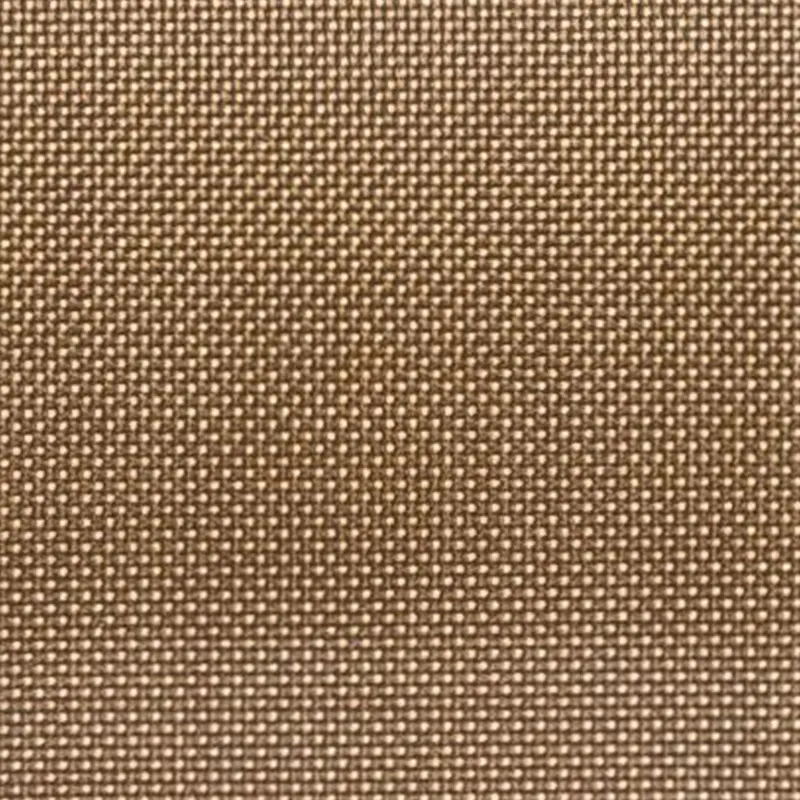
Regular colour: brown, beige, beige (depending on product specifications).
Usage Considerations for PTFE in Laminators
To maximize the performance and lifespan of PTFE components in battery laminators, the following points should be observed:
1.Preheating
Gradually ramp up temperature to avoid thermal shock to the PTFE materials.
2.Cleaning Protocols
Although PTFE is anti-adhesive, periodic cleaning is recommended to remove fine dust or residue that may accumulate over time.
3.Surface Inspection
Regularly inspect for surface damage, wear, or degradation—particularly near the gasket edges and high-pressure zones.
4.Proper Installation
Ensure correct placement and tensioning of PTFE cloths and gaskets to avoid wrinkles or uneven pressure distribution.
5.Avoid Mechanical Damage
Sharp tools or improper handling can puncture or deform PTFE surfaces.
Precautions related to laminated cloth
1. From cutting high temperature cloth installed on the machine, the whole process should keep the surface of high temperature cloth flat, do not have wrinkles, otherwise it will cause the laminated surface has creases, affecting the service life.
2. In the process of use, such as laminating machine high temperature cloth surface with eva glue or other residues adhering to it, be sure to use a semi-wet cotton cloth to wipe clean, especially in the middle of the position of the adherence of the eva
3. Different batches of solar PV module laminator Teflon high-temperature cloth colour difference is a normal phenomenon, but it will not affect product quality, not to mention the use.
Common Pain Points in Laminator Operation
Despite their high precision, laminators face several recurring operational challenges:
1.Material Sticking & Contamination
Battery materials-especially adhesives and polymers-can stick to hot surfaces, causing contamination and affecting laminate quality.
2.Thermal Wear on Cover Layers
Conventional gasket or cover cloths degrade quickly under constant high temperature and pressure,requiring frequent replacements.
3.Uneven Pressure Distribution
Surface inconsistencies can lead to uneven lamination, internal bubbles, or non-uniform bonding between layers.
4.Frequent Downtime
When protective layers wear out quickly, machine stoppages for maintenance increase, reducing overall throughput and yield.
Conclusion
PTFE materials play a vital role in improving the efficiency, consistency, and longevity of battery component lamination processes. By resisting high temperatures and preventing adhesion, PTFE-based cover cloths and gaskets help manufacturers maintain high production quality while minimizing maintenance downtime and material waste.